


Melilotus albus
| Melilotus albus | |
|---|---|
 | |
| Phân loại khoa học | |
| Giới (regnum) | Plantae |
| (không phân hạng) | Angiospermae |
| (không phân hạng) | Eudicots |
| (không phân hạng) | Rosids |
| Bộ (ordo) | Fabales |
| Họ (familia) | Fabaceae |
| Phân họ (subfamilia) | Faboideae |
| Tông (tribus) | Trifolieae |
| Chi (genus) | Melilotus |
| Loài (species) | M. albus |
| Danh pháp hai phần | |
| Melilotus albus Medik. | |
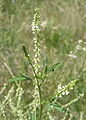
Melilotus albus là loài thuộc họ Đậu, bản địa của châu Âu và châu Á.
Hình ảnh[sửa | sửa mã nguồn]
-
-

-

-

-
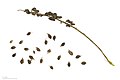 Melilotus albus - Museum specimen


Tham khảo[sửa | sửa mã nguồn]
 |
Wikimedia Commons có thêm hình ảnh và phương tiện truyền tải về Melilotus albus. |
- Blanchan, Neltje (2005). Wild Flowers Worth Knowing. Project Gutenberg Literary Archive Foundation. Kiểm tra giá trị ngày tháng trong:
|year=(trợ giúp)
Liên kết ngoài[sửa | sửa mã nguồn]
 |
Bài viết liên quan đến Tông Cỏ ba lá này vẫn còn sơ khai. Bạn có thể giúp Wikipedia mở rộng nội dung để bài được hoàn chỉnh hơn. |